Sulle tracce di Escher, un viaggio di formazione
"Grand Tour minore". Un libro di viaggi di Paolo Calvino inseguendo Escher, il grande artista olandese.
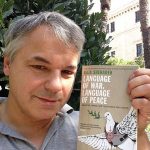




"Grand Tour minore". Un libro di viaggi di Paolo Calvino inseguendo Escher, il grande artista olandese.
English translation below
Il viaggio del segugio comincia con alcune tracce, prosegue dove tappa dopo tappa lo porta il vento della sua ricerca di un indizio, di una prova, una testimonianza. Molto lo accosta all’investigatore privato, con la differenza che il suo padrone non è il cliente, ma un’ossessione. Per il segugio è olfattiva, per altri estetica, intellettuale, l’arcano di un mistero da decifrare.
Quella di Paolo Calvino è il mondo enigmatico di Maurits Cornelis Escher, che visitò e visse a lunghi tratti in Italia dal 1923 al 1935, in un Grand Tour minore, là dove non giunse la curiosità di Goethe e nemmeno quella degli italiani di ieri e di oggi. È soprattutto il sud d’Italia, la Calabria dei paesi arroccati sul monte, l’Abruzzo delle strade che si arricciano, che ha chiamato Escher in un lungo periodo di formazione.
Ammaliato dalle connessione dei contorni e degli spazi, dai rapporti espressi in una visione multipla della realtà, l’artista olandese trovava nell’architettura popolare dei borghi del Sud, in quell’incastro di finestre, di gradinate cittadine, di abitazioni percepite nella loro individualità ma specchiate le une nelle altre per esprimere non il caos ma un ordine geometrico da decifrare. Educandosi a osservare i dettagli, in un paesaggio ricco ma mai appariscente, Escher si alimentò della linfa dell’interazione fra struttura e motivi riconoscibili.
Anche Calvino si sarà chiesto quale sia stata la formazione d’artista per educare uno sguardo così diverso da tutto ciò che aveva preceduto la storia della pittura e della grafica. Una prima risposta è nell’aver osservato ciò che – al cospetto delle colonne di Bernini o delle finestre rinascimentali – non aveva mai attirato l’attenzione: quel mondo di saliscendi umili, di cielo che sfuma nella terra, di mare nei paesi, di uccelli nelle nuvole, lo sdoppiamento o il ribaltamento delle prospettive, i giochi ottici, suggeriti dalle strutture reali, mai immaginarie di questi paesaggi snobbati dai più.
Ma a differenza degli altri, Paolo Calvino si è fatto segugio ed è partito dalla sua Torino, più volte secondo itinerari diversi, e ne ha poi scritto un corposo libro, “Ho seguito Escher – In viaggio con l’artista in Italia, Spagna, Corsica, Tunisia, Malta” (i libri di Mompracem, pag. 318). È un racconto di viaggio, biografia di Escher e autobiografia dell’autore, e anche storia della nostra Italia:
“Leggendo una sua biografia sono stato attratto dal suo modo di viaggiare: stagionale, come un uccello migratore, quasi sempre compagnia di amici, come lui artisti; in treno, a piedi, con i muli, il corriere, dalla costa o dalla città verso l’interno, sempre verso l’alto, verso paesi remoti e immancabilmente costruiti sopra un cocuzzolo una persona da culto potrò imparare molto, pensai.”
E Calvino molto ha imparato e ci fa imparare col suo libro-viaggio portandoci nei luoghi della formazione italiana di Escher (ma con tappe anche in altre terre del Mediterraneo) in luoghi fuori dai classici itinerari. Il massimo della fama è forse Cosenza, la città calabrese preferita dall’autore: “Il suo centro storico è un ambiente ideale: palazzi e negozi abbandonati (“Al vero merluzzo”, “Grimsel orologio svizzero”) alternati ad altri ancora in attività seppur siano resti nel mondo scomparso (“Suole e tacchi Pirelli”), botteghe d’arte e di artigianato contemporanee”.
Ma la trama di questo viaggio letterario è costellata di nomi inaspettati. Fara San Martino, dove si trova una traccia esplicita del passaggio di Escher, con la targa sul municipio che ricorda il gemellaggio dal 2011 con la cittadina maltese di L-Isla (Senglea): “nel segno dell’Artista Olandese Maurits Cornelis Escher”. Castrovalva, dove una via del centro storico è stata recentemente intitolata a Escher. Melito, che fu teatro di un episodio che in sé raccoglie il sapore di quella Italia e di quei viaggiatori del nord: “Ritrovano comunque la stazione ferroviaria, dove Robert estrae la cetra e si mette a suonare. In breve si forma un gruppo di persone che ballano al suono dello strumento di e quando arriva il treno i passeggeri scendono e si uniscono alla compagnia. Persino i macchinisti e il capostazione si mettono a ballare”. San Alfio, sulle pendici dell’Etna, con il suo “Castagno dei cento cavalli”, che “potrebbe essere l’albero più antico d’Europa, dato che la sua età è stata stimata tra i 3600 e i 4000 anni. Oggi misura ufficialmente 22 m di circonferenza per altrettanti di altezza”.Forlì del Sannio, dove una linga catena di rimandi e incontri fa scoprire qualcosa del passaggio di questo olandese volante.
Nel suo tanto girare per l’Italia, Escher tanto vide, e tanto quel mondo pieno di arcani dell’entroterra mediterraneo sconosciuto ai più ha plasmato il suo stile così unico. Ancora nella parte iniziale del suo lungo libro, Calvino ci rivela Anticoli, un paesaggio che evoca, altroché, quelli di Escher:
“La città storica è piccola ed è quindi riconoscibile nella sua organica bellezza, anche se oggi risulta quasi sempre male incastrata in una volgare proliferazione. Essa presente, nell’insieme del vecchio e dell’antico, del costruito e del non costruito, una “struttura” evidente, dove il rapporto tra le parti è rispettato. Le linee disegnate alle strade, planimetricamente e altimetricamente, ripetono le linee corrispondenti del paesaggio, anche perché chi ha tracciato per primo quelle strade ha seguito, per economia e rispetto di quel terreno così legati alla vita di tutti, l’andamento naturale del terrestre, senza evitare una curva suggerita dalla plastica di una collina o dal disegno di un crinale, senza aggirare, quindi, con tagli e spianamenti, con riempimenti, l’ostacolo di una valle o di un pendio”.
Tuttavia, “seguire Escher” comporta imbattersi in un mondo ricco di scoperte. Calvino viaggia e incontra, a Guardia Piemontese racconta del massacro dei valdesi e del supplizio d Gian Luigi Pascale da parte del sanguinario Ghisleri futuro papa Pio V, da Malta tramanda l’epopea del durissimo assedio nazifascista subito dall’isola durante la guerra, ci parla del “Diario di un disertore” dell’”anarchico di Calabria” Bruno Misefari, di Pitagora e di Bernardino Telesio, ma anche di sindaci più o meno giovani sindaci che animano le loro comunità remote, di inaspettate iscrizioni stradali, delle carte di Zuccagni Orlandini, e ancora, e ancora.
Da segugio di razza, questo è un libro colto, e altrettanto sbarazzino perché è libero di soffermarsi con una sua tensione etica – tra queste, l’antifascismo o l’attenzione per le minoranze – ovunque ci sia una “storia” da cogliere come un frutto maturo. È la migliore dimostrazione d’amicizia per Escher: non imbalsamarlo in un pellegrinaggio da statuetta votiva, ma guardare alla realtà dei suoi luoghi con quella meraviglia e intelligenza che lui seppe trasformare in arte – e che nel suo essere incontro era anche una forma nobile in epoca di nazionalismi, di fare l’Europa.

ENGLISH VERSION
A travel book by Paolo Calvino chasing the great Dutch artist
The journey of the bloodhound begins with some tracks, continues where the search leads for a clue, a piece of evidence, a testimony. Many compare this kind of author to a private detective, with the difference that his master is not the client, but an obsession. For the bloodhound it is olfactory, for others aesthetic, intellectual, the secret of a mystery to decipher. Paolo Calvino’s one is the enigmatic world of Maurits Cornelis Escher, who visited and lived for long stretches in Italy from 1923 to 1935, on a minor Grand Tour, where Goethe’s curiosity did not reach, nor that of the Italians of yesterday and today. It is above all the south of Italy, the Calabria of the villages perched on the mountain, the Molise of the streets that curl, that called Escher in a long period of training. Fascinated by the connection of contours and spaces, by the relationships expressed in a multiple vision of reality, the Dutch artist found in the popular architecture of the villages of the South, in that interlocking of windows, of city steps, of houses perceived in their individuality but mirrored in each other to express not chaos but a geometric order to be deciphered. Educating himself to observe the details, in a rich but never flashy landscape, Escher fed on the lymph of the interaction between structure and recognizable motifs.
Calvino too must have wondered what his artistic training was to educate a gaze so different from everything that had preceded the history of painting and graphics. A first answer is in having observed what – in the presence of Bernini’s columns or Renaissance windows – had never attracted attention: that world of humble ups and downs, of sky fading into earth, of sea in villages, of birds in clouds, the doubling or reversal of perspectives, the optical games, suggested by the real, never imaginary structures of these landscapes snubbed by most. But unlike the others, Paolo Calvino became a bloodhound and set out from his Turin, several times following different itineraries, and then wrote a substantial book about it, “Ho seguito Escher – In viaggio con l’artista in Italia, Spagna, Corsica, Tunisia, Malta” (i libri di Mompracem, pag. 318). It is a travel story, a biography of Escher and an autobiography of the author, and also a history of our Italy: “Reading one of his biography I was attracted by his way of travelling: seasonal, like a migratory bird, almost always in the company of friends, artists like him; by train, on foot, with mules, by courier, from the coast or from the city towards the interior, always upwards, towards remote villages and invariably built on a hilltop; a cult figure will be able to learn a lot, I thought.”
Calvino has learned a lot and makes us learn with his travel book, taking us to the places of Escher’s Italian education (but also with stops in other lands of the Mediterranean) in places outside the classic itineraries. The greatest fame is perhaps Cosenza, the author’s favorite Calabrian city: “Its historic center is an ideal environment: abandoned buildings and shops (“Al vero merluzzo”, “Grimsel orologiosvizzera”) alternating with others still in business even if they are remnants of a vanished world (“Suole e tacchi Pirelli”), contemporary art and craft shops”. But the plot of this literary journey is studded with unexpected names. Fara San Martino, where there is an explicit trace of Escher’s passage, with the plaque on the town hall that commemorates the twinning since 2011 with the Maltese town of L-Isla (Senglea): “in the name of the Dutch Artist Maurits Cornelis Escher”. Castrovalva, where a street in the historic center was recently named after Escher. Melito, which was the scene of an episode that in itself captures the flavor of that Italy and those travelers from the north: “They find the train station, where Robert takes out his zither and starts playing. Soon a group of people forms who dance to the sound of the instrument and when the train arrives the passengers get off and join the company. Even the train drivers and the stationmaster start dancing.” San Alfio, on the slopes of Etna, with its “Chestnut Tree of a Hundred Horses,” which “could be the oldest tree in Europe, given that its age has been estimated at between 3,600 and 4,000 years. Today it officially measures 22 m in circumference and the same height.” Forlì del Sannio, where a full chain of meetings brings Calvino to know something more about the passage of Hescher.
In his many trips around Italy, Escher saw so much, and so much that world full of mysteries of the Mediterranean hinterland unknown to most has shaped his unique style. Still in the initial part of his long book, Calvino reveals Anticoli, a landscape that evokes, indeed, those of Escher: “The historic city is small and is therefore recognizable in its organic beauty, even if today it almost always appears badly wedged in a vulgar proliferation. It presents, in the ensemble of the old and the ancient, of the built and the unbuilt, an evident “structure”, where the relationship between the parts is respected. The lines drawn on the streets, planimetrically and altimetrically, repeat the corresponding lines of the landscape, also because whoever first traced those streets followed, for economy and respect of that land so tied to the life of all, the natural course of the earth, without avoiding a curve suggested by the plasticity of a hill or the design of a ridge, without therefore bypassing, with cuts and levelings, with fillings, the obstacle of a valley or a slope”.
However, “following Escher” implies coming across a world full of discoveries. Calvino travels and meets, in Guardia Piemontese he tells of the massacre of the Waldensians and the torture of Gian Luigi Pascale by the bloodthirsty Ghisleri, future Pope Pius V, from Malta he passes on the epic of the harsh Nazi-Fascist siege suffered by the island during the war, he tells us about the “Diary of a Deserter” by the “Calabrian anarchist” Bruno Misefari, about Pythagoras and Bernardino Telesio, but also about more or less young mayors who animate their remote communities, about unexpected road inscriptions, about the papers of Zuccagni Orlandini, and again, and again.
As a thoroughbred bloodhound, this is a cultured book, and equally jaunty because it is free to linger with its own ethical tension – among these, anti-fascism or attention to minorities – wherever there is a “story” to be picked like a ripe fruit. It is the best demonstration of friendship for Escher: not to embalm him in a pilgrimage as a votive statuette, but to look at the reality of his places with that wonder and intelligence that he knew how to transform into art – and that in its being an encounter was also a noble form in an era of nationalism, of making Europe.