Addentrarsi in un orto botanico come forma del viaggio
A Saint Vincent il più antico orto botanico delle Americhe. Tanti ne ho visitati, e ogni volta è un viaggio nel viaggio.

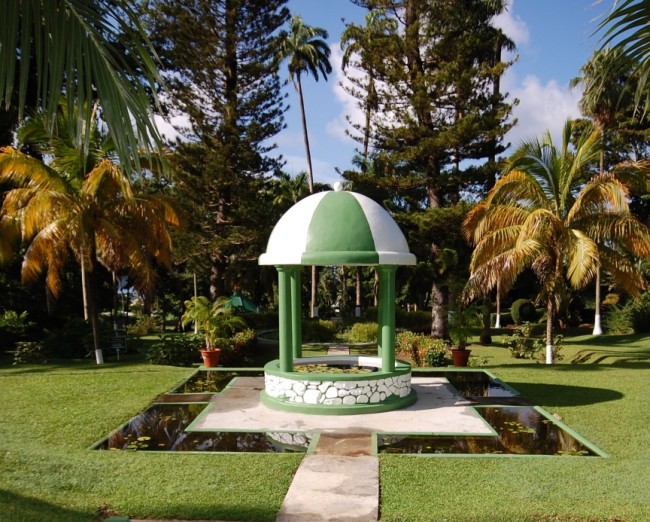



A Saint Vincent il più antico orto botanico delle Americhe. Tanti ne ho visitati, e ogni volta è un viaggio nel viaggio.
English translation below
Ogni viaggio si declina attraverso dei sottoviaggi, espandendosi in nuove esplorazioni che si compiono varcando una porta, un ingresso, ed entrando di colpo in un altro mondo. Lo sono la maggior parte dei musei, alcune esperienze culinarie, certi luoghi spirituali, o anche la visita a una casa del posto, rivelatrice di usi e costumi a noi non noti. L’orto botanico è uno di questi reami ne quali il viaggiatore si avventura moltiplicando le sue esplorazioni.
Vi sono orti botanici memorabili – a Parigi il Jardin des Plantes, col suo sapore illuministico; a Città del Capo quello pieno di meraviglie di Kirstenbosch , un condensato regale di Africa tropicale in miniatura; a Sydney, centralissimo e una sorta di Champs-Élysèes delle piante; quello estremo al Circolo Polare Artico di Akureyri; quello di casa, il Giardino dei Semplici, dove da bambino, al cospetto delle piante carnivore, mi sentivo dentro a un romanzo di Salgari. Questi e altri ne ho visitati, e ogni volta è, appunto, un viaggio nel viaggio. Tutti sotto le stesse leggi ma tutti diversi e con una personalità riconoscibile.
Come, oltre Atlantico, quello di Saint Vincent, dove varcando l’ingresso ci si addentra in un percorso nel quale non c’è niente da dire, nessuna melodia caraibica da ascoltare, ma solo da camminare a passo lieve e contemplare gli alberi, i fiori, gli uccelli. E la storia, perché questo è il più antico giardino botanico dell’emisfero occidentale, data del 1765 e da allora è un santuario della flora e di rari pappagalli, tra i quali l’amazzone di Saint Vincent, emblema giallo, blu, verde, della nazione.
Altro che spiagge, è in luoghi come questo che i Caraibi, ormai presi di assalto dal turismo croceristico, conservano la loro storia come un talismano. Perché la storia di questo Orto è l’incontro tra lo spirito classificatore del colone europeo, plasmato di motivazione scientifica e di indagine sul campo, e di una natura incontaminata e ribelle, avvezza a un rapporto con l’umanità privo di cartellini e di recinti, ma interamente naturale, dove l’uomo era parte del tutto.
A Saint Vincent invece si realizzò il “museo” degli alberi e di quei fiori che poco lontano crescono spontanei, e anche la natura fu colonizzata. Gli inglesi nel Nuovo Mondo portarono la loro civiltà e dominarono i nativi, di fatto sterminandoli a forza di sfruttamento intensivo e di malattie, ma si tennero la natura (al punto che fino a tempi recenti, vari reali britannici hanno piantato il loro alberello nel Giardino), che poi era la forma di civiltà indigena che a loro interessava.
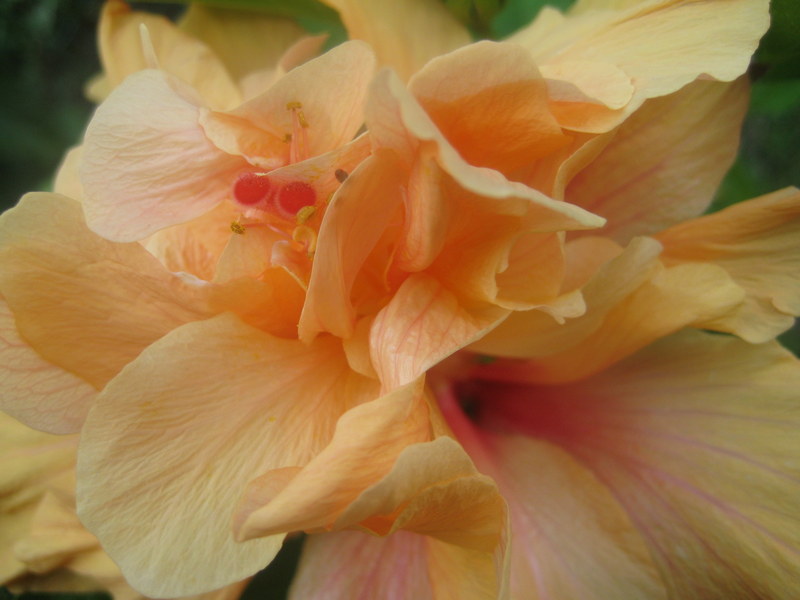
Non credo che anche a Saint Vincent si botanici locali festeggino il compleanno di Linneo con un’escursione nei campi per raccogliere, in sua memoria, i fiori più belli. Ma anche in un orto botanico oltre mare come questo, il principio scientifico della conservazione riequilibra almeno in parte le distruzioni e le razzie indiscriminate delle ricchezze umane e naturali, che poi erano un tutt’uno.
A conti fatti, ne valse la pena. Non che l’isola soffochi di masse e costruzioni, perché “Saint Vincent and the Grenadines” sono tutt’altro. Ma questo “orto” è il santuario di uccelli pregiati e rari, e anche qua la passeggiata è una franchigia non scritta nei diritti dell’uomo: la natura è un santuario supremo per la sanità mentale e la bontà; e la natura dei Caraibi è un primo principio nazionale. A essa sono devoti gli abitanti, e con loro i visitatori che con passi felpati considerano il museo della natura “non morta” come l’ingresso in un mondo di foglie, radici, fiori e cinguettii che crede di conoscere ma che gli sono nuovi. E così ogni orto botanico è un giardino filosofico, come quello in cui Erasmo scriveva “civis mundi sum, communis omnium vel peregrinus magis”: Sono cittadino del mondo, ovunque a casa mia, o piuttosto ovunque straniero. Esattamente come ci si sente all’interno del recinto di un orto botanico.
ENGLISH VERSION
In Saint Vincent the oldest botanical garden in the Americas
Every journey is divided into “sub-journeys”, expanding into new explorations that are made by crossing a door, an entrance, and suddenly entering another world. This is the case for most museums, some culinary experiences, certain spiritual places, or even a visit to a local house, revealing habits and customs unknown to us. The botanical garden is one of these realms in which the traveler ventures, multiplying his explorations.
There are memorable botanical gardens – in Paris the Jardin des Plantes https://www.jardindesplantesdeparis.fr/en, with its Enlightenment flavor; in Cape Town the wonder-filled Kirstenbosch , a regal condensation of tropical Africa in miniature; in Sydney, very central and a sort of Champs-Élysèes of plants; the extreme one at the Arctic Circle in Akureyri; the one at home, the Giardino dei Semplici, where as a child, in the presence of carnivorous plants, I felt like I was in a novel by Salgari. I have visited these and others, and each time is, in fact, a journey within a journey. All under the same laws but all different and with a recognizable personality.
Like, across the Atlantic, that of Saint Vincent, where crossing the entrance you enter a path in which there is nothing to say, no Caribbean melody to listen to, but only to walk lightly and contemplate the trees, the flowers, the birds. And history, because this is the oldest botanical garden in the Western Hemisphere, dating back to 1765 and since then it has been a sanctuary of flora and rare parrots, including the Saint Vincent Amazon, yellow, blue, green emblem of the nation.
Forget about beaches, it is in places like this that the Caribbean, now taken by storm of cruise tourism, preserves its history like a talisman. Because the history of this Garden is the encounter between the classifying spirit of the European colonialism, shaped by scientific motivation and field investigation, and an uncontaminated and rebellious nature, accustomed to a relationship with humanity without tags and fences, but entirely natural, where man was part of the whole. In Saint Vincent, on the other hand, the “museum” of trees and those flowers that grow spontaneously nearby was created, and nature was also colonized. The English brought their civilization to the New World and dominated the natives, effectively exterminating them through intensive exploitation and disease, but they kept nature (to the point that until recently, various British royals planted their little tree in the Garden), which was the form of indigenous civilization that interested them. I don’t think that in Saint Vincent local botanists celebrate Linnaeus’ birthday with an excursion into the fields to collect, in his memory, the most beautiful flowers. But even in a botanical garden overseas like this, the scientific principle of conservation at least partially rebalances the indiscriminate destruction and plundering of human and natural wealth – the two aspects being one.
All things considered, it was worth it. Not that the island is suffocated by masses and buildings, because “Saint Vincent and the Grenadines” is anything but. But this “garden” is home of rare and precious birds, and here too the walk is an unwritten exemption in human rights: nature is a supreme sanctuary for sanity and goodness; and the nature of the Caribbean is a first national principle. The inhabitants are devoted to it, and with them the visitors who with stealthy steps consider the museum of “undead” nature as the entrance to a world of leaves, roots, flowers and chirping that he thinks he knows but that are new to him. And so every botanical garden is a philosophical ground, like the one in which Erasmus wrote “civis mundi sum, communis omnium vel peregrinus magis”: I am a citizen of the world, everywhere at home, or rather everywhere a stranger. Exactly how one feels inside the enclosure of a botanical garden.