Agent Happiness: il Bhutan e la felicità
Il film "Agent Happiness: il Bhutan e la felicità", ci parla del Bhutan, uno dei paesi più chiusi al turismo.

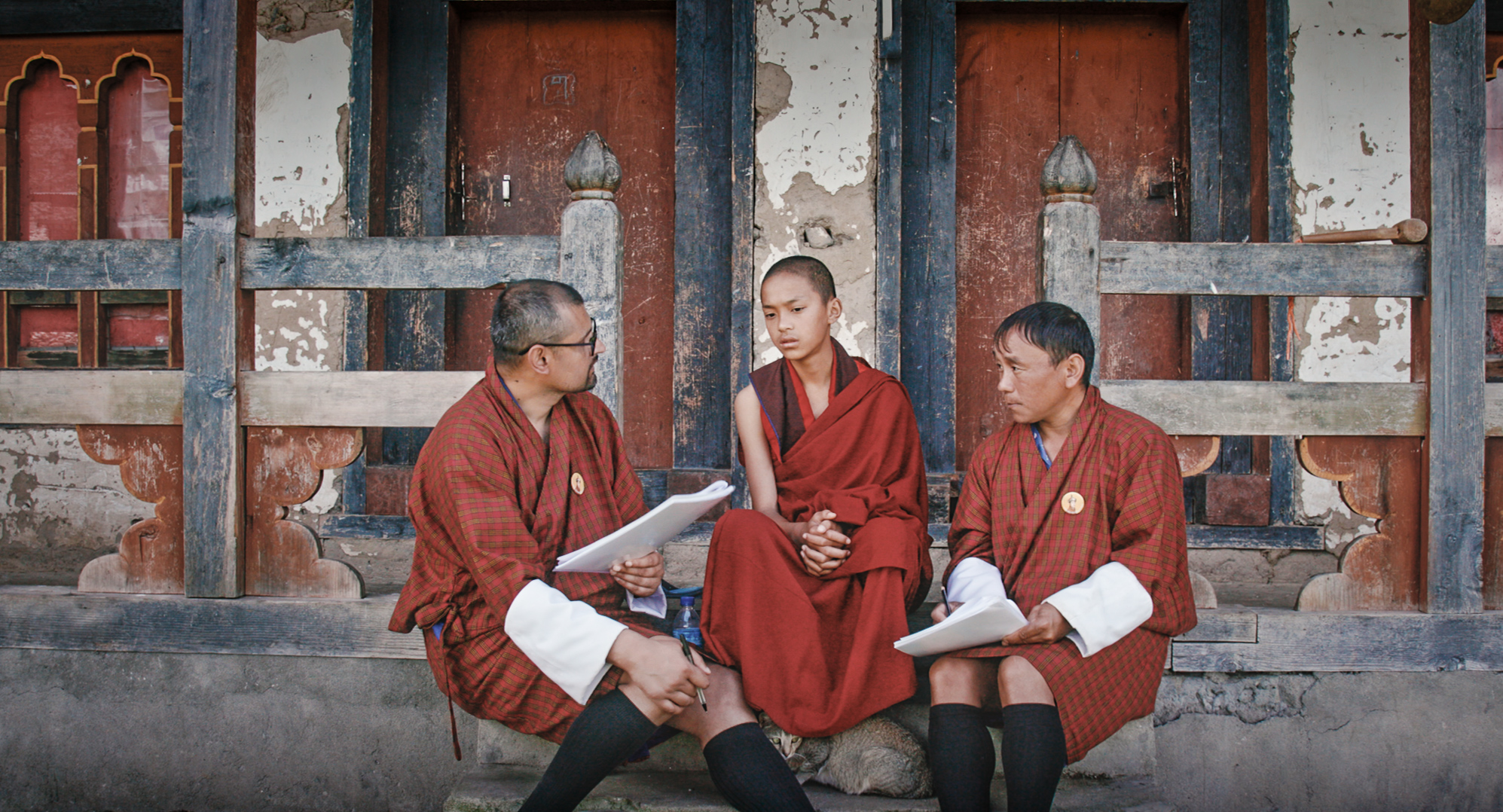



Il film "Agent Happiness: il Bhutan e la felicità", ci parla del Bhutan, uno dei paesi più chiusi al turismo.
English version below
In giro per l’Europa, e su varie piattaforme, si possono trovare proiezioni del film Agent Happiness: il Bhutan e la felicità, uscito quest’anno.
Agent Happiness ci parla del Bhutan, uno dei paesi più chiusi al turismo, che si distingue dalle altre nazioni per il FIL: la Felicità Interna Lorda. È così che il governo calcola il suo livello di progresso. L’idea fu introdotta in Bhutan negli anni ‘70, e da quel momento, diventò una parte importante sia dell’identita dei bhutanesi, che di come il resto del mondo pensi al Bhutan.
Il film segue Amber, uno degli agenti incaricati dallo stato di visitare persone di tutti i tipi in giro per il Bhutan. Amber segue un questionario con varie domande, per poi fare un calcolo che determina il livello di felicità dell’intervistato.
Le domande sono interessanti, e ci fanno riflettere sul tipo di riflessione che diamo alla nostra felicità in Occidente. Come ci chiediamo se siamo felici?
Nonostante il riscontro sia spesso giudicato positivo, il film tira fuori temi duri e importanti, come la solitudine, l’alcolismo, l’integrazione di persone transgender, e la povertà, tra altri.
Un film che invita a riflettere su che cos’e la felicita, e dove si trova.
ENGLISH VERSION
Screenings of the film Agent Happiness (released this year) can be found across Europe and on various platforms.
Agent Happiness tells the story of Bhutan—a country that has long been largely closed off to tourism—and highlights what sets it apart from other nations: GNH, or Gross National Happiness. This is the metric the government uses to measure its level of progress. The concept was introduced in Bhutan in the 1970s and has since become a crucial part of both the Bhutanese identity and the way the rest of the world perceives the country.
But how is happiness actually measured?
The film follows Amber, one of the state-appointed agents tasked with visiting a wide range of people across Bhutan. Amber uses a questionnaire to gather information, subsequently performing a calculation to determine the interviewee’s level of happiness.
The questions are intriguing and prompt us to reflect on how we in the West think about our own happiness. How do we ask ourselves if we are happy?
Although the results are often positive, the film also addresses difficult and significant issues—such as loneliness, alcoholism, the integration of transgender individuals, and poverty, among others.
It is a film that invites us to reflect on what happiness is and where it can be found.


